
Feeling Unsteady After a Concussion
Wobbling on stairs, drifting when you walk, bumping into things: balance trouble after a head injury is common, and it can be retrained.
Small changes that add up
Balance problems after a concussion are not always dramatic. Friends and family may not notice anything. You notice, though, because you are thinking about every step, and that constant effort is tiring. Common signs include:
- Drifting to one side or feeling like you might trip when you walk
- Trouble standing on one foot or changing direction quickly
- Feeling much less steady on stairs, grass, gravel or in dim light
- Catching your shoulder on door frames or misjudging distances
- Getting tired quickly from activities that need coordination
- Feeling nervous on escalators, in crowds or anywhere balance is tested
The three inputs your balance depends on
Staying upright is a team effort. Your inner ear senses movement and tilt. Your eyes tell you where you are in the room. Sensors in your joints and muscles report where your body is. Your brain blends all three into one steady picture.
A concussion can disturb any of these, or the way the brain combines them. When the signals disagree, you feel wobbly, clumsy or as if the floor is moving.
Why the brain sometimes takes a wrong turn
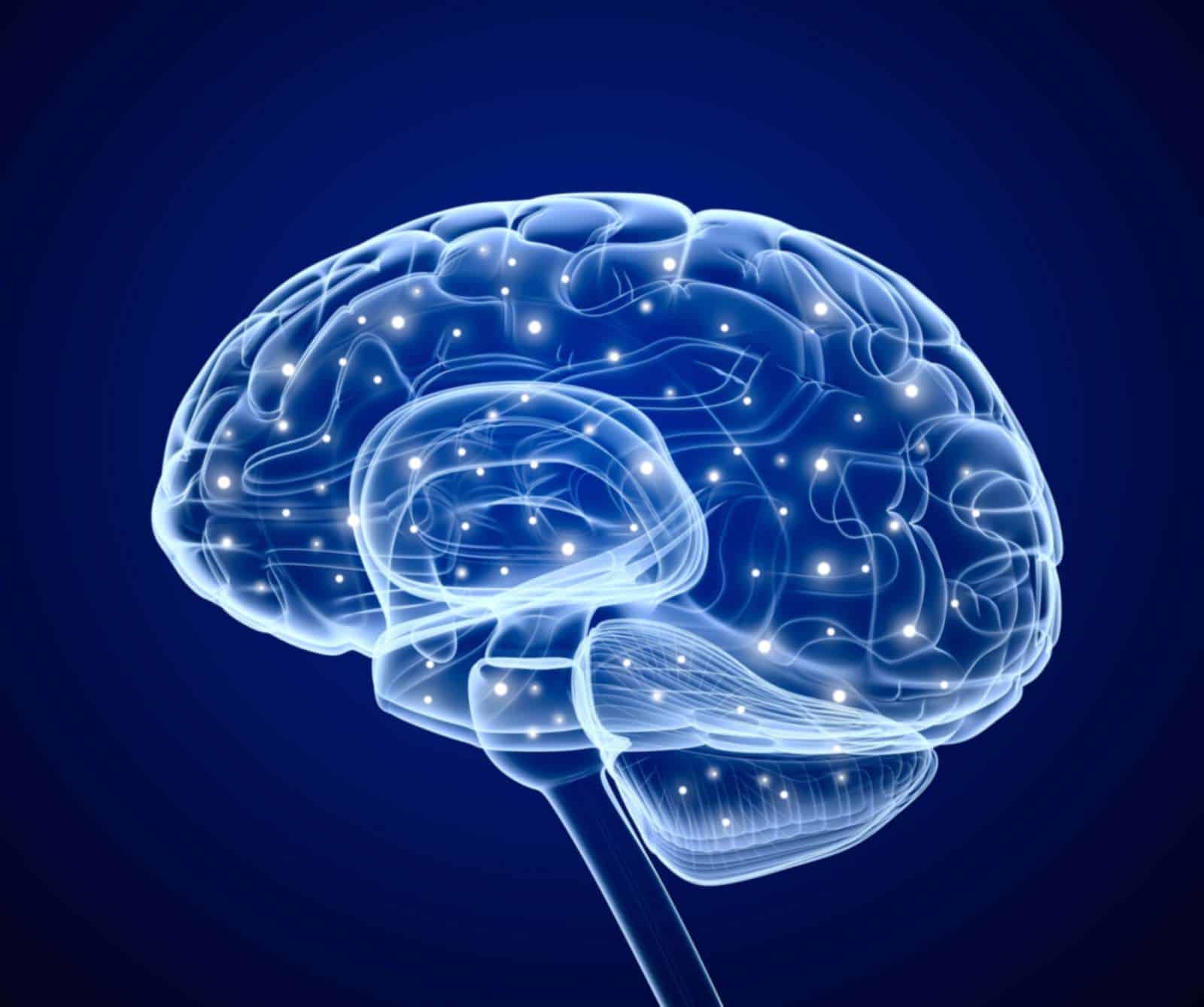
The brain is good at working around a problem, but its shortcuts are not always helpful. After a concussion it may lean heavily on your eyes for balance, or steer you away from anything that feels unsteady. That can feel safe for a while, yet it keeps the underlying problem from being fixed and leaves you more likely to lose your footing when your eyes are busy or the ground is uneven.
Targeted rehabilitation gives your balance system the right challenges, at the right level, so it can relearn how to work properly instead of just working around the problem.
What we do about it
Your concussion assessment includes specific balance and vestibular testing so we can see which systems are struggling. From there, treatment may include:
- Balance training that starts standing still and progresses to walking, turning and real-life tasks
- Vestibular exercises to help your brain read inner-ear signals accurately again
- Sensory retraining so your brain stops over-relying on your eyes and uses all three inputs together
- Neck treatment, because the neck helps sense head position and neck problems can upset balance
- Activity-specific drills for athletes and active people, built around the movements their sport or job demands
Why it is worth fixing
Poor balance raises the chance of a fall, makes exercise feel risky and can hold up your return to sport, work and everyday life. It also uses up mental energy, which can add to fatigue and brain fog.
Getting your balance back tends to bring a lot with it: more confidence, less tiredness and the freedom to get back to the things you enjoy.
Related
Let's get you back on track
If your symptoms are hanging on, or you want a clear plan for school, work or sport, book a concussion assessment at Milton Physio Plus.